
Exploring Historic Architecture in Jaipur, India
As the "Pink City" of Jaipur continues to modernize, its historic Rajput architecture remains beautifully preserved amidst the vibrant energy of Rajasthan. Having visited my wife's hometown twice, I’ve had the privilege of documenting its iconic palace facades and scenic hill forts from a local perspective. This photo set offers a glimpse into the "beautiful chaos" of the city, capturing the contrast between the timeless elegance of Jaipur’s monuments and the lively, historic Old City markets.
Exploring the architectural heritage of Jaipur with a personal guide allowed me to find unique angles of celebrated sites like the Hawa Mahal and Amber Fort. My focus remained on the interplay of the city’s signature terracotta-pink stonework and the cinematic, bustling streets that define its character. These images serve as a visual narrative of a city where ancient craftsmanship and modern Indian life coexist in a perfectly balanced, vibrant landscape.
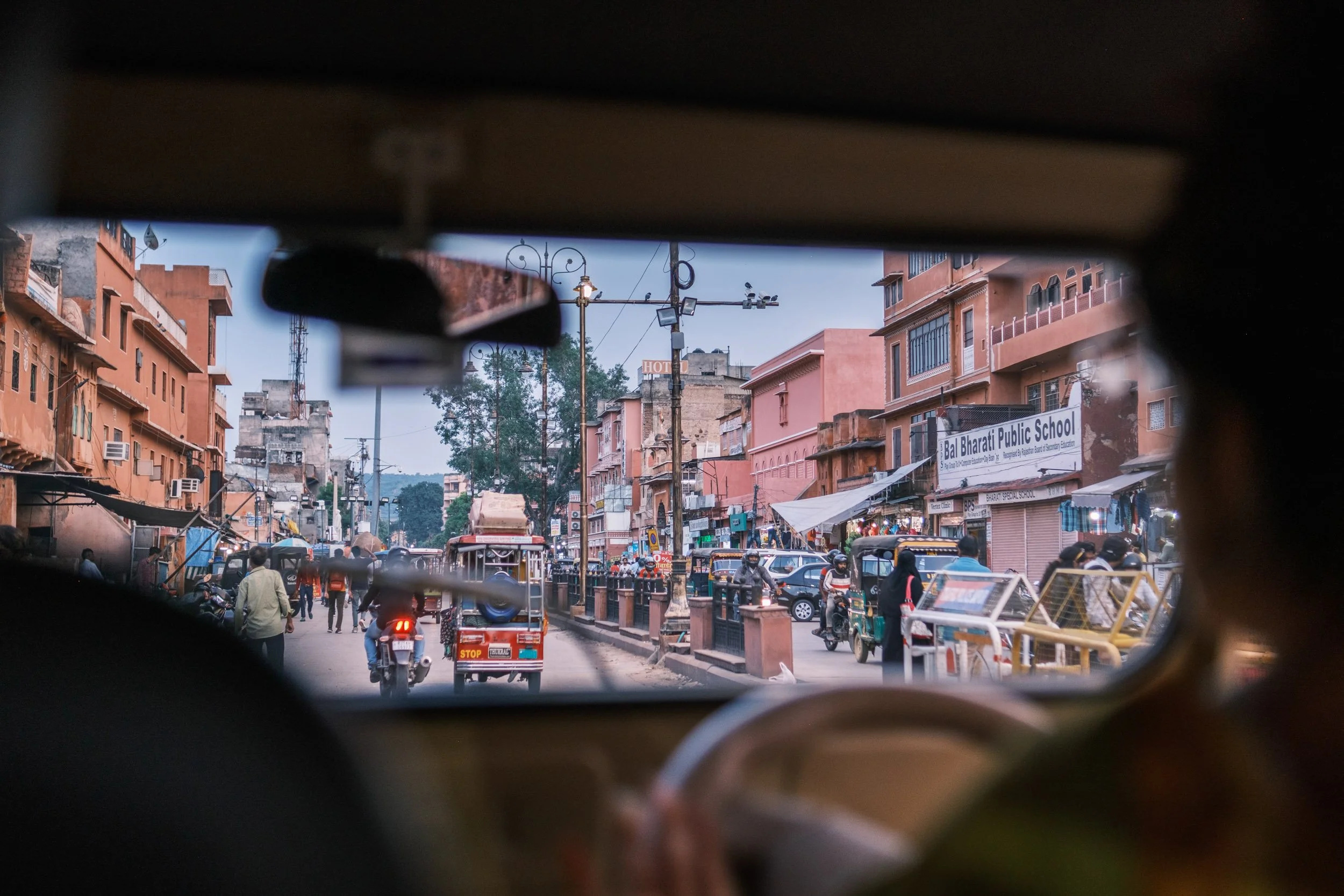
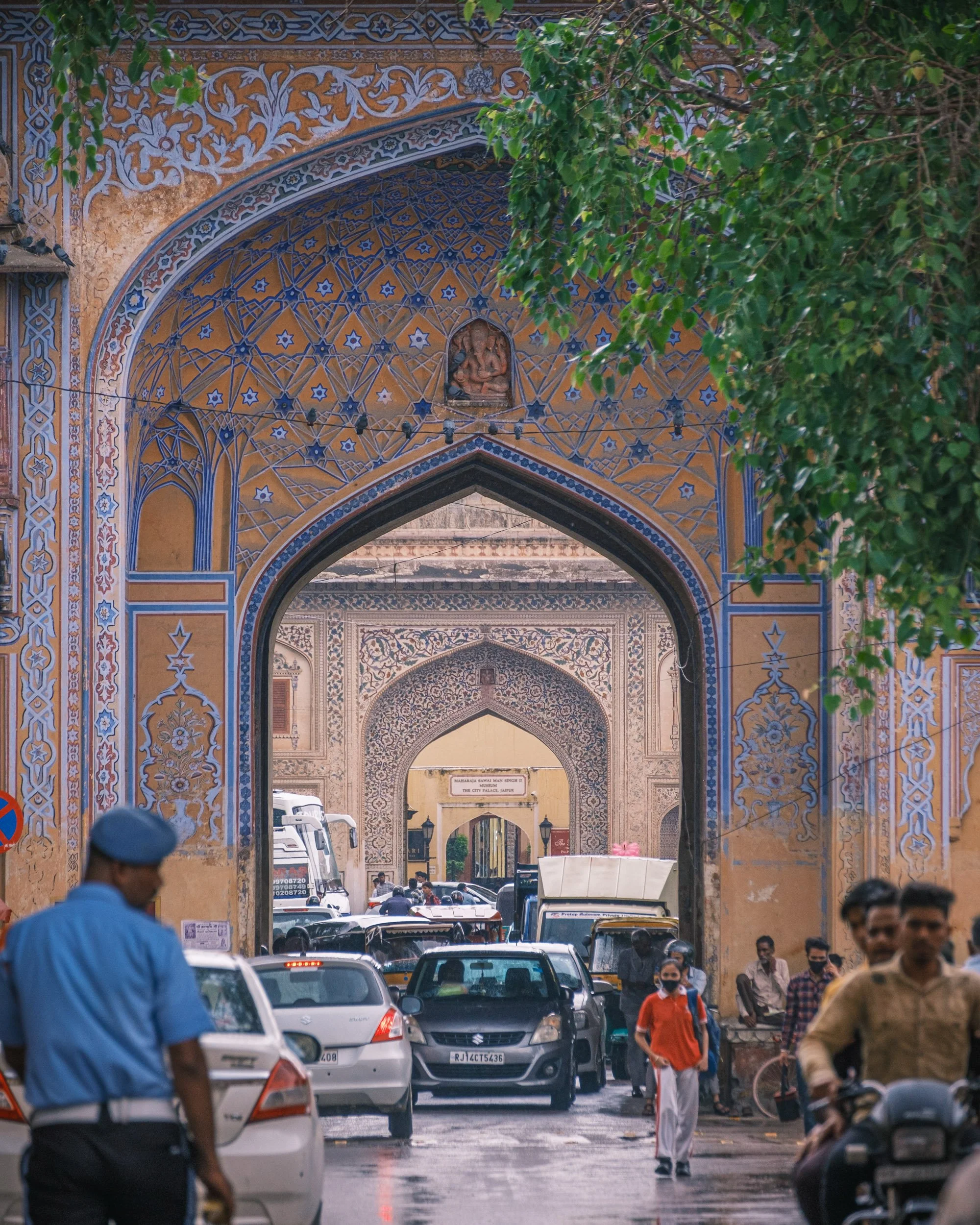
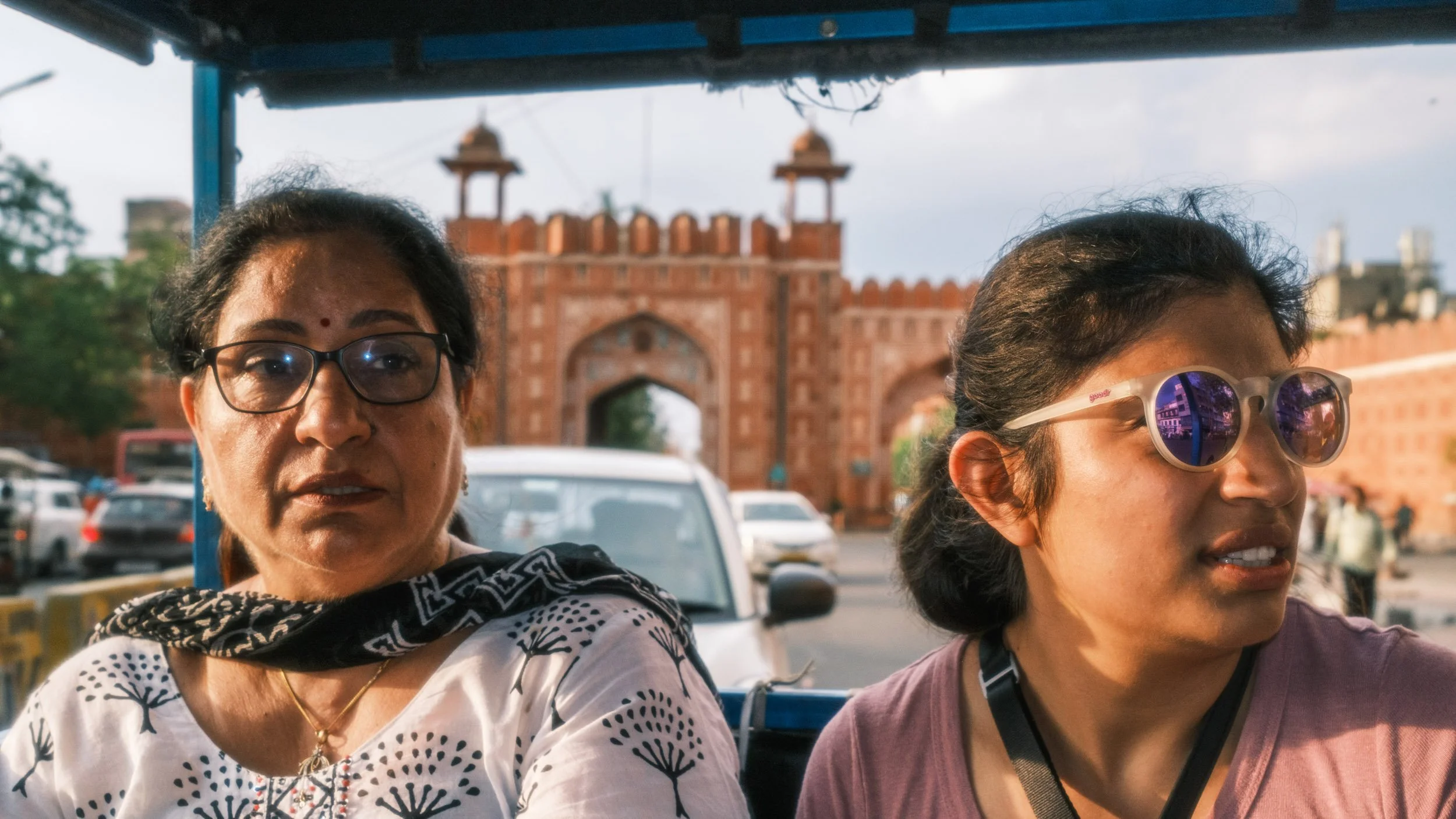
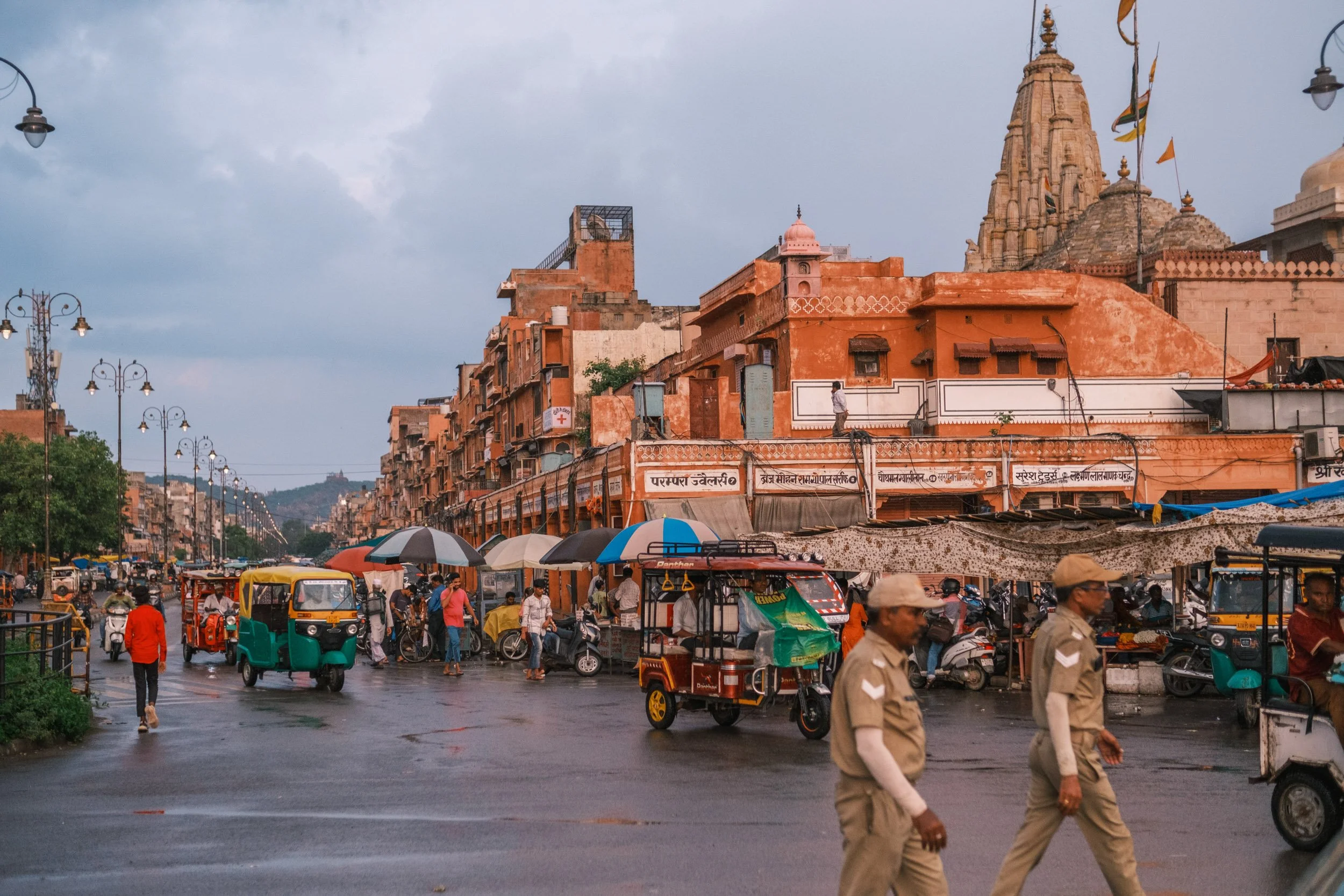
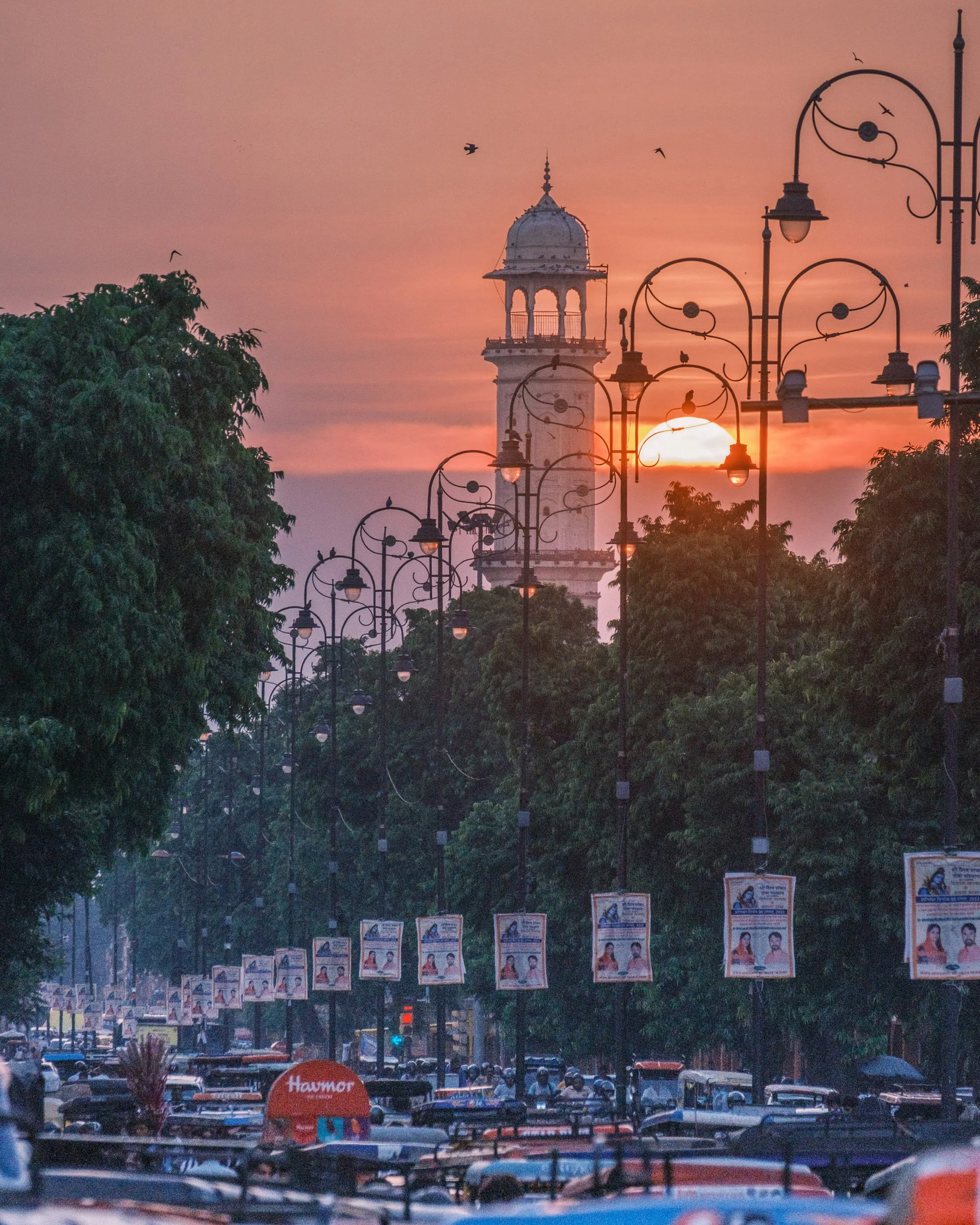
Founded in 1727, Jaipur’s city planning was famously designed according to Vastu Shastra, the traditional Hindu "science of architecture." This ancient system dictates the design, layout, and spatial geometry of the city to seamlessly integrate human-made structures with the natural world. By utilizing precise geometric patterns, symmetry, and directional alignments, Vastu Shastra creates a sense of architectural harmony by aligning living spaces with fundamental natural forces like sunlight, wind, and gravity.
Documenting a city built on these Vedic design principles offers a unique perspective on symmetrical urban layouts and intentional flow. From the grid-like streets of the Old City to the orientation of its most iconic palaces, the influence of Vastu architecture is evident in every frame. This focus on harmonious design not only defines the historic character of the "Pink City" but also provides a timeless blueprint for how modern architecture can foster a deeper connection between people and their environment.
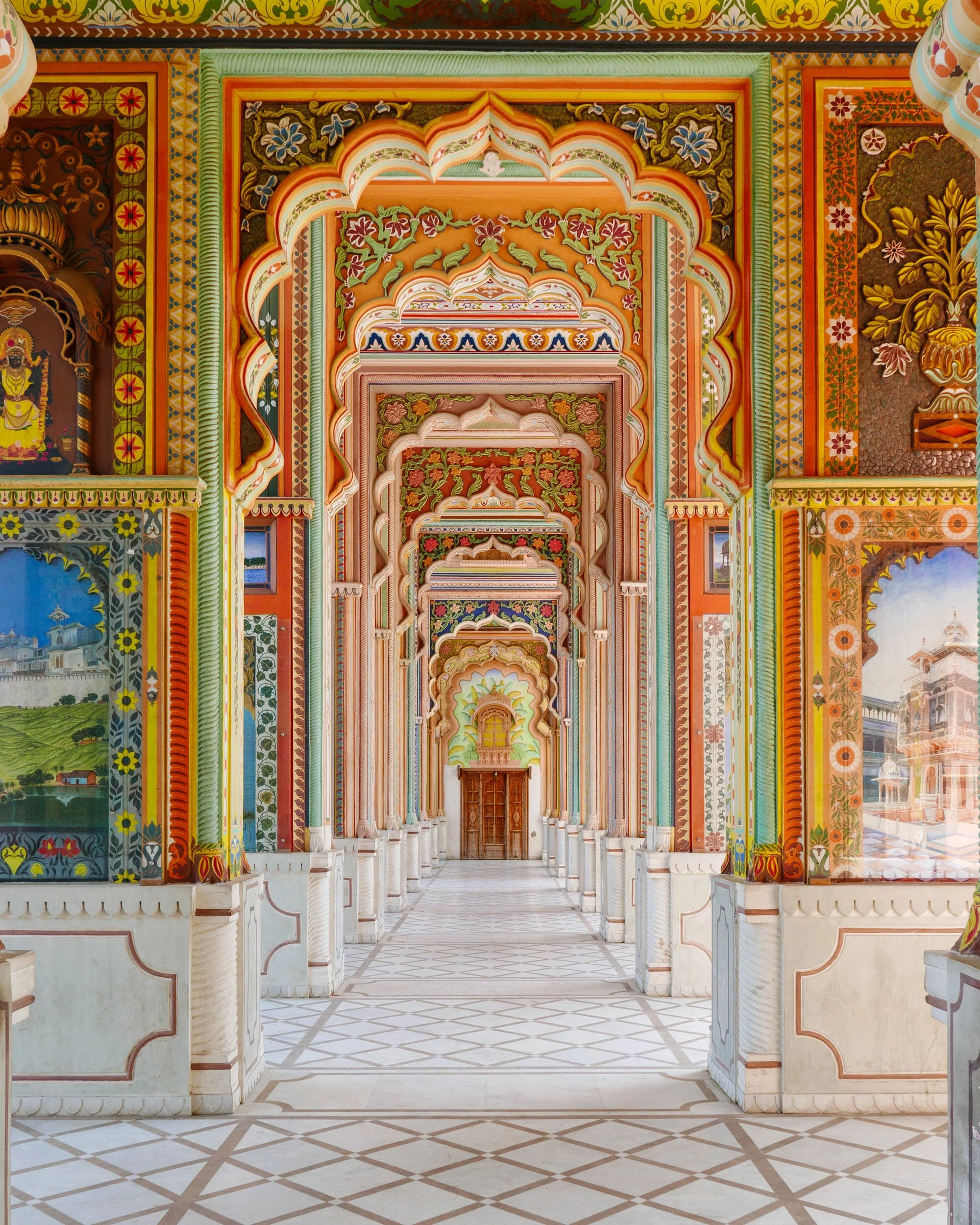
Patrika Gate
Rajput architecture, predominantly found across the desert landscapes of Rajasthan, is defined by the monumental forts and palaces commissioned by Rajput rulers. This diverse architectural style encompasses a wide array of religious and military structures, ranging from intricate Hindu temples to massive defensive fortifications. While deeply rooted in Indian tradition, the evolution of Rajput design reflects a sophisticated blending of Mughal and European influences, which eventually gave rise to the ornate Indo-Saracenic style seen in many 19th-century civic buildings.
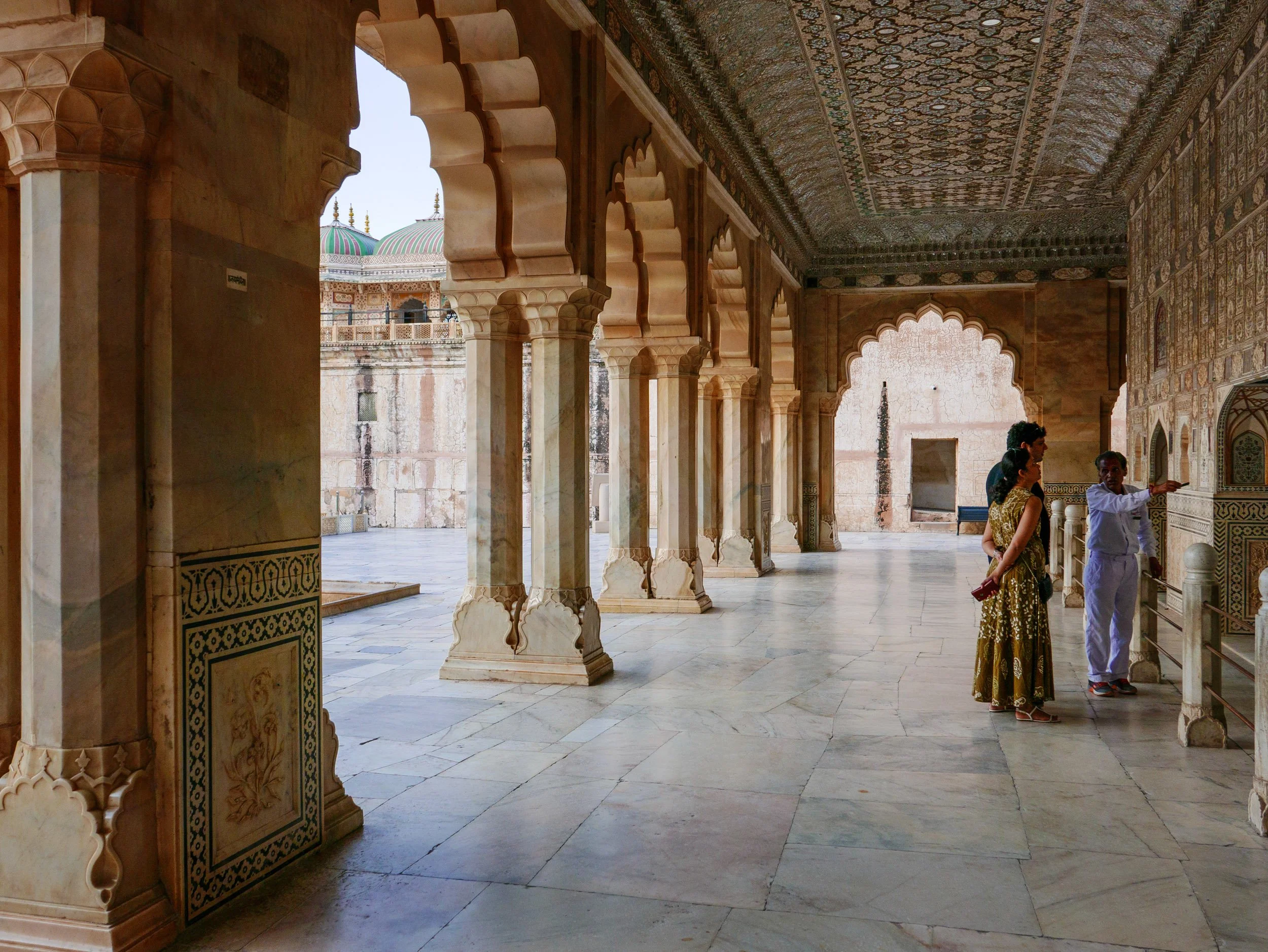
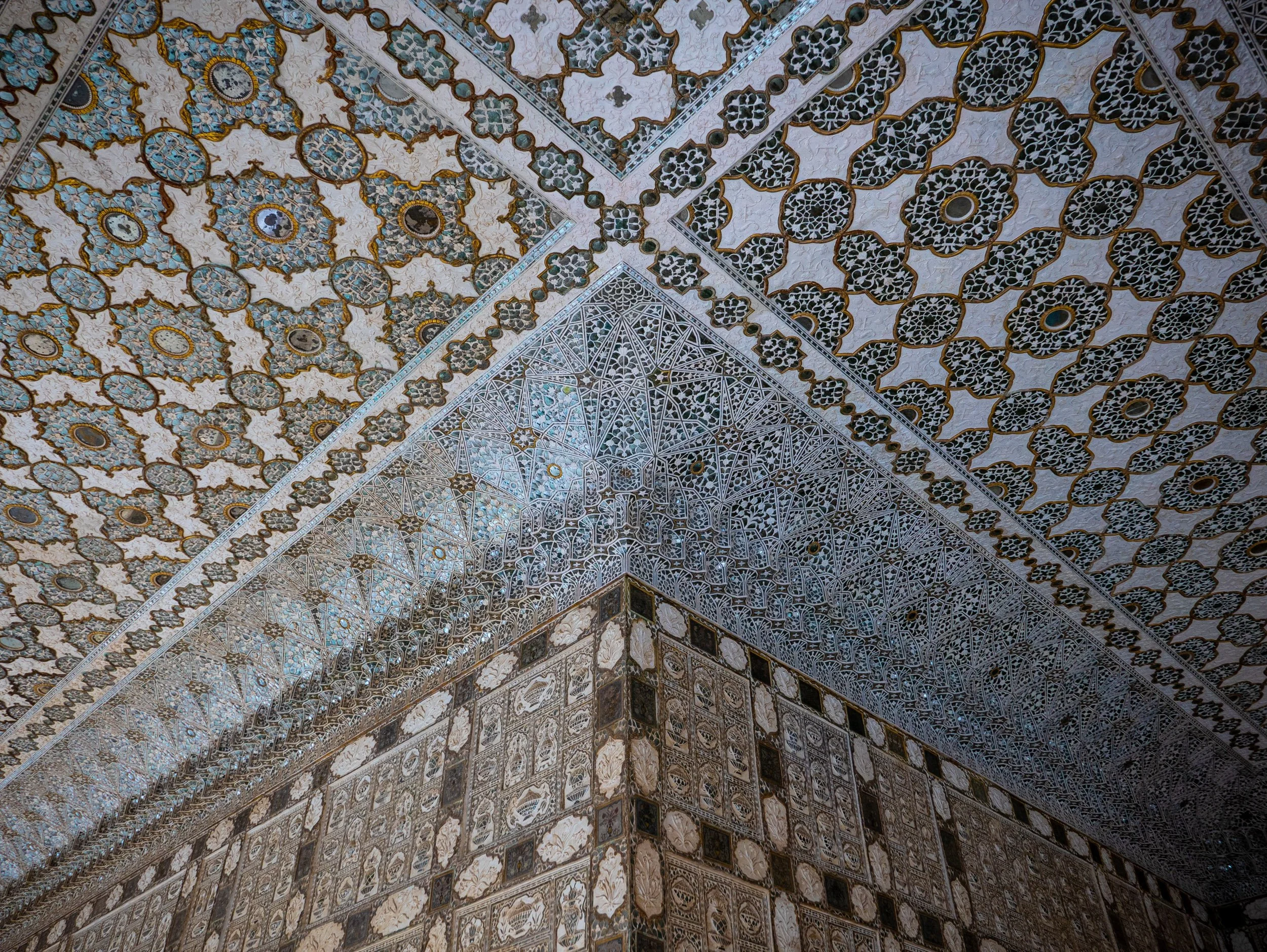
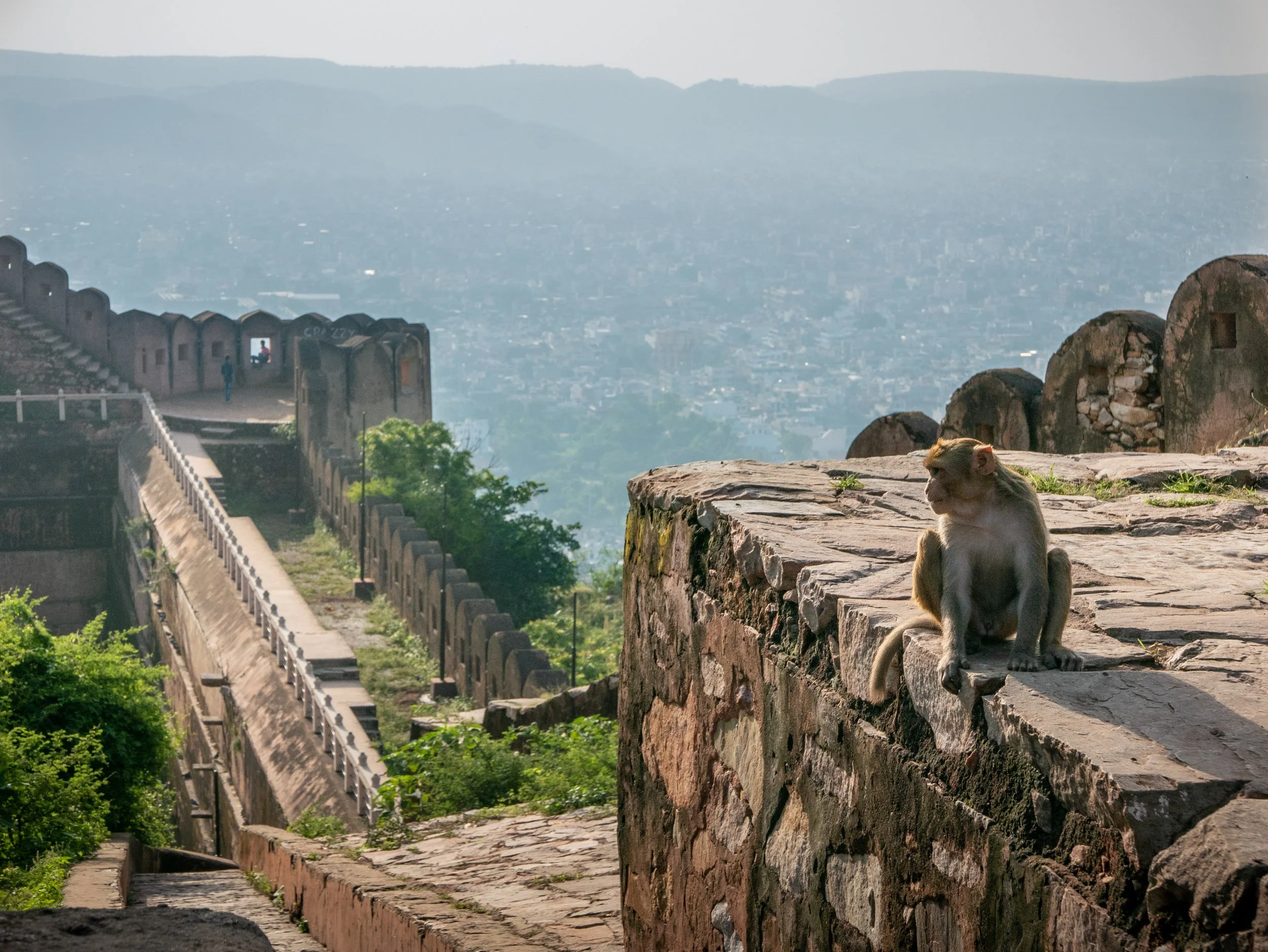
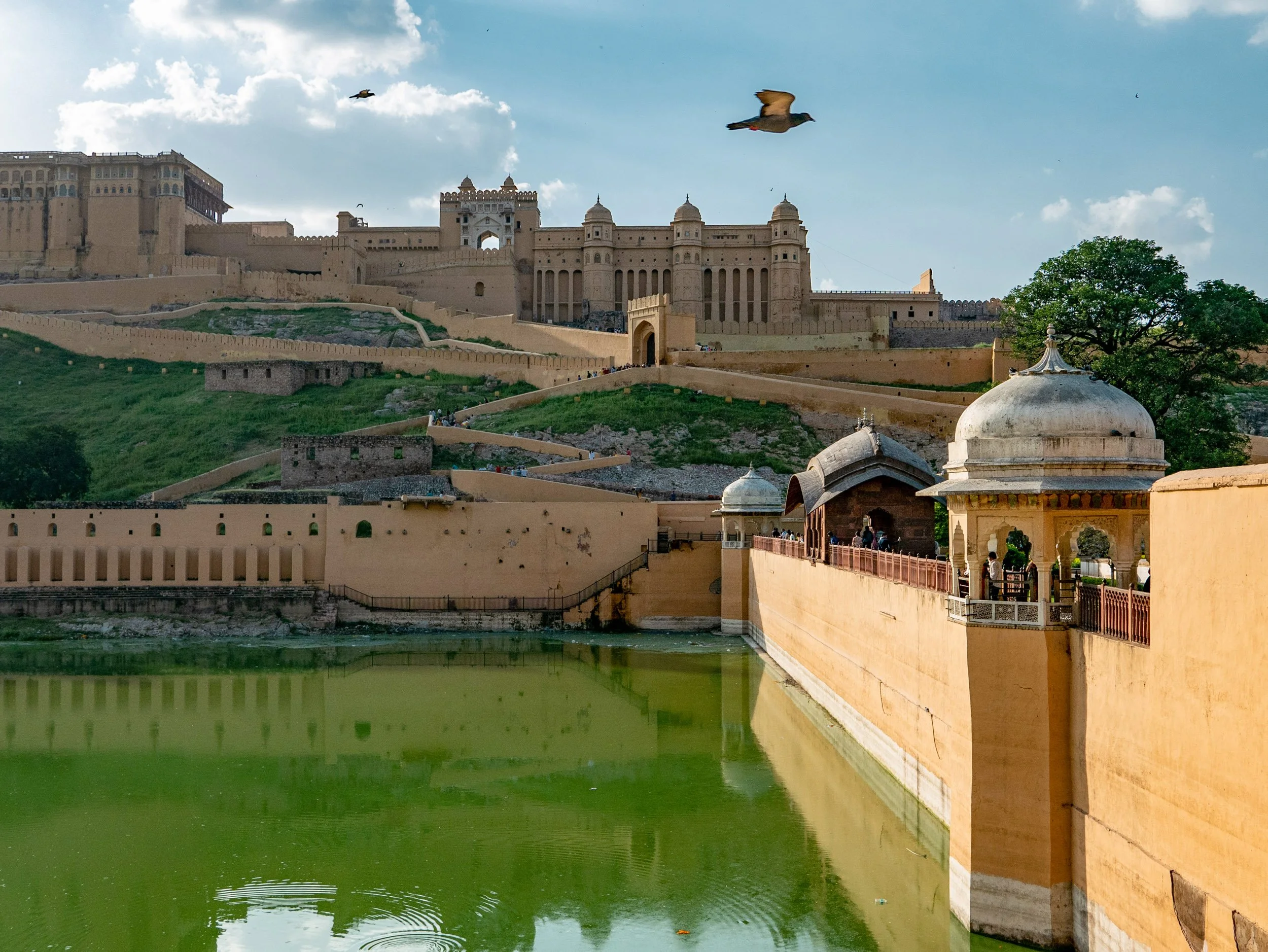
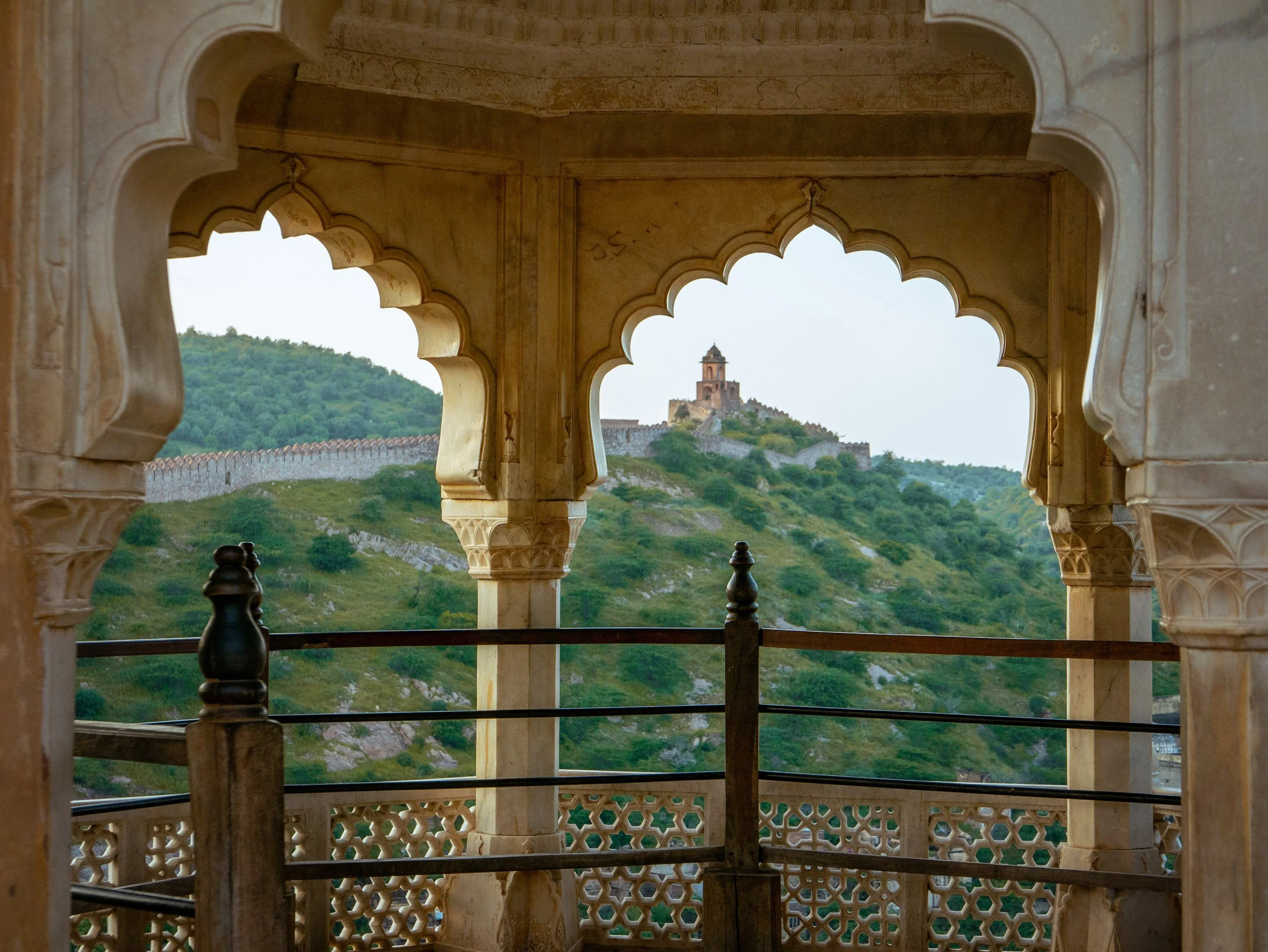
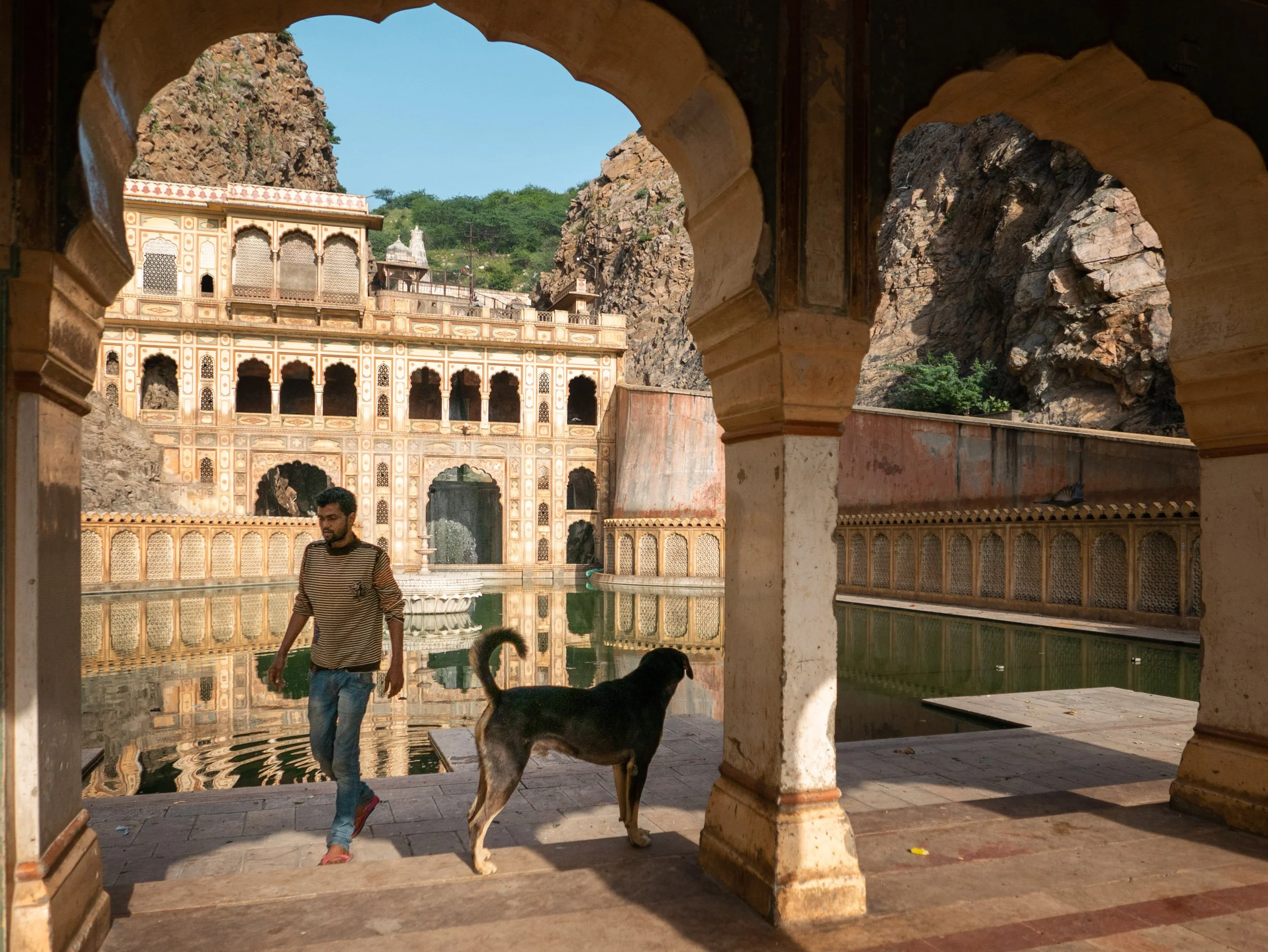
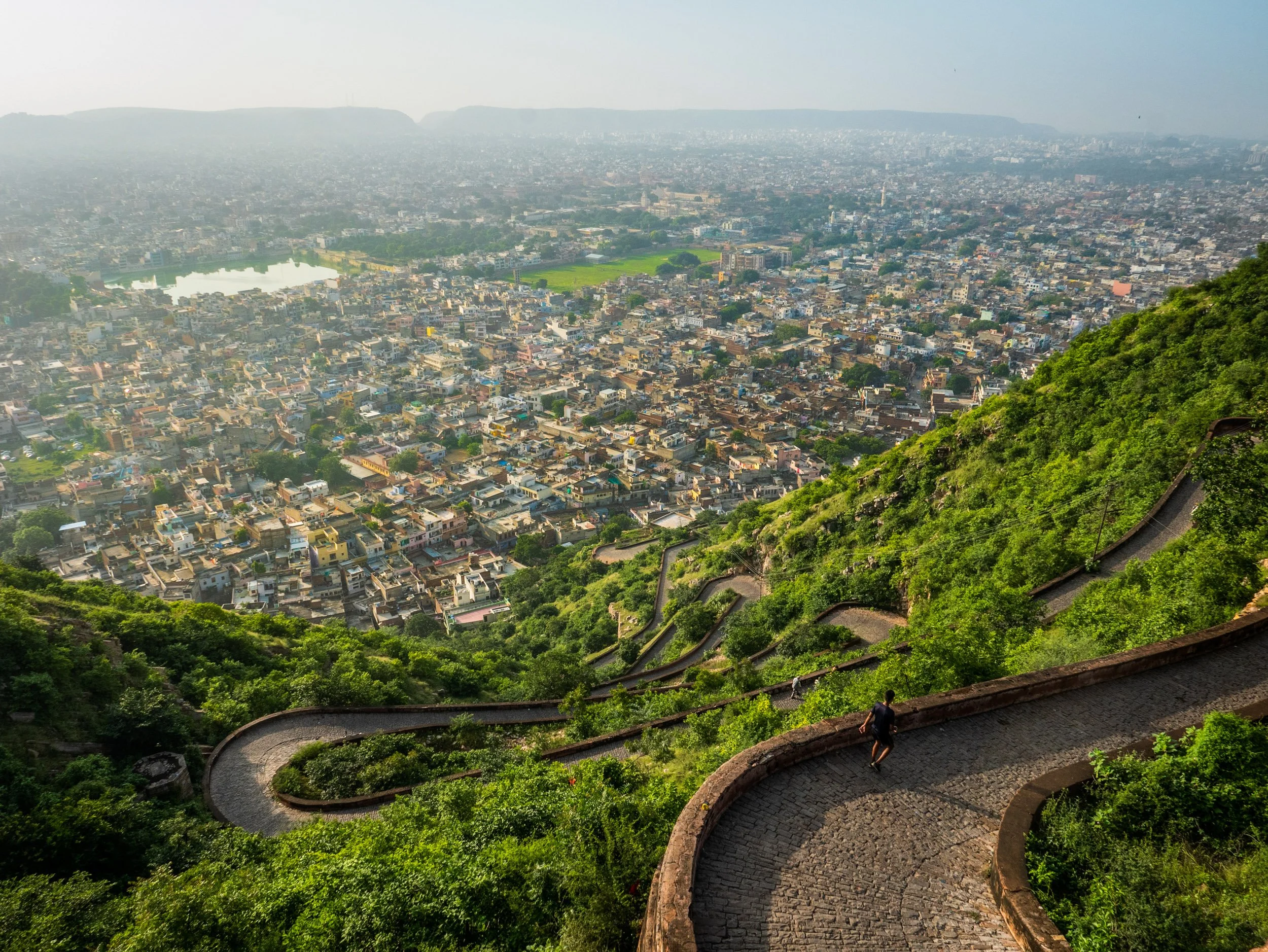
Prominent examples of this heritage include the UNESCO-listed Hill Forts of Rajasthan, as well as Jaipur’s iconic Hawa Mahal (Palace of Winds) and the serene Jal Mahal (Water Palace). Documenting these sites requires a keen eye for the ornate stonework, decorative jali screens, and defensive geometry that characterize the region. For an architectural photographer, these structures offer an endless study of how fortified architecture can maintain a delicate balance between rugged military utility and the refined elegance of royal palace design.
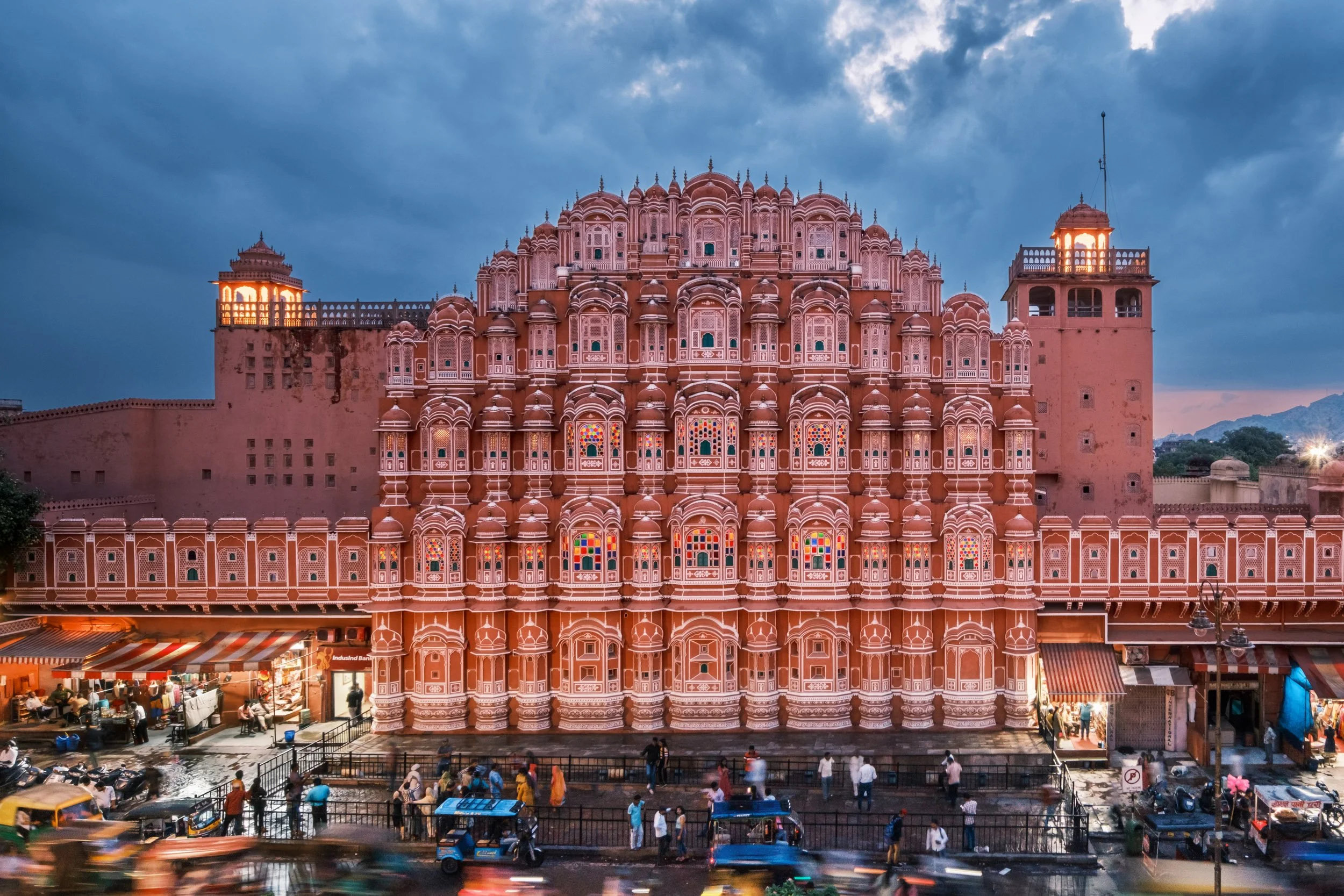
With its 953 small, intricately carved windows, the Hawa Mahal “Palace of Winds” overlooks the busy street.
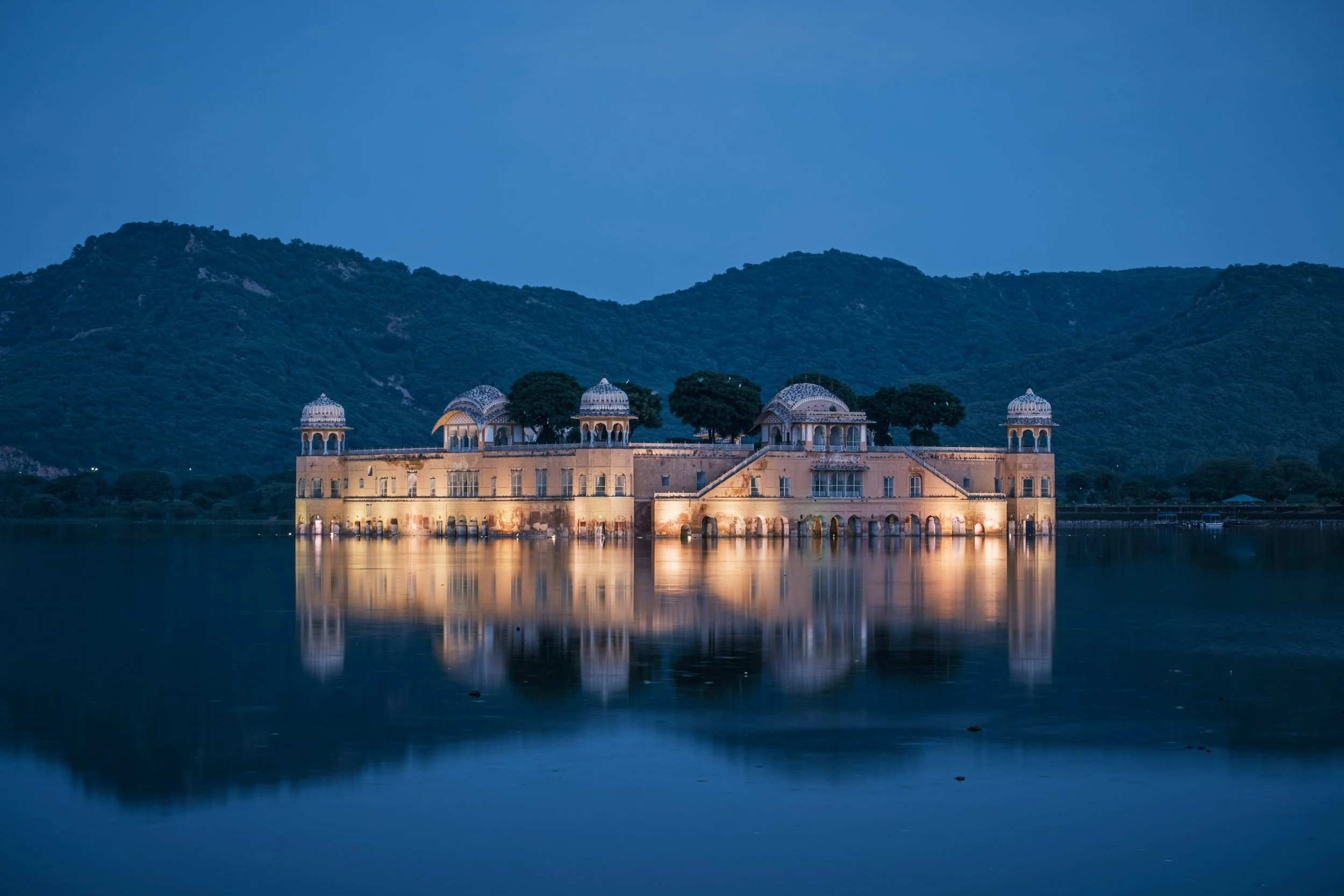
The Jal Mahal “Water Palace” was originally built for royalty to spend occasions in a cool, serene environment.
